
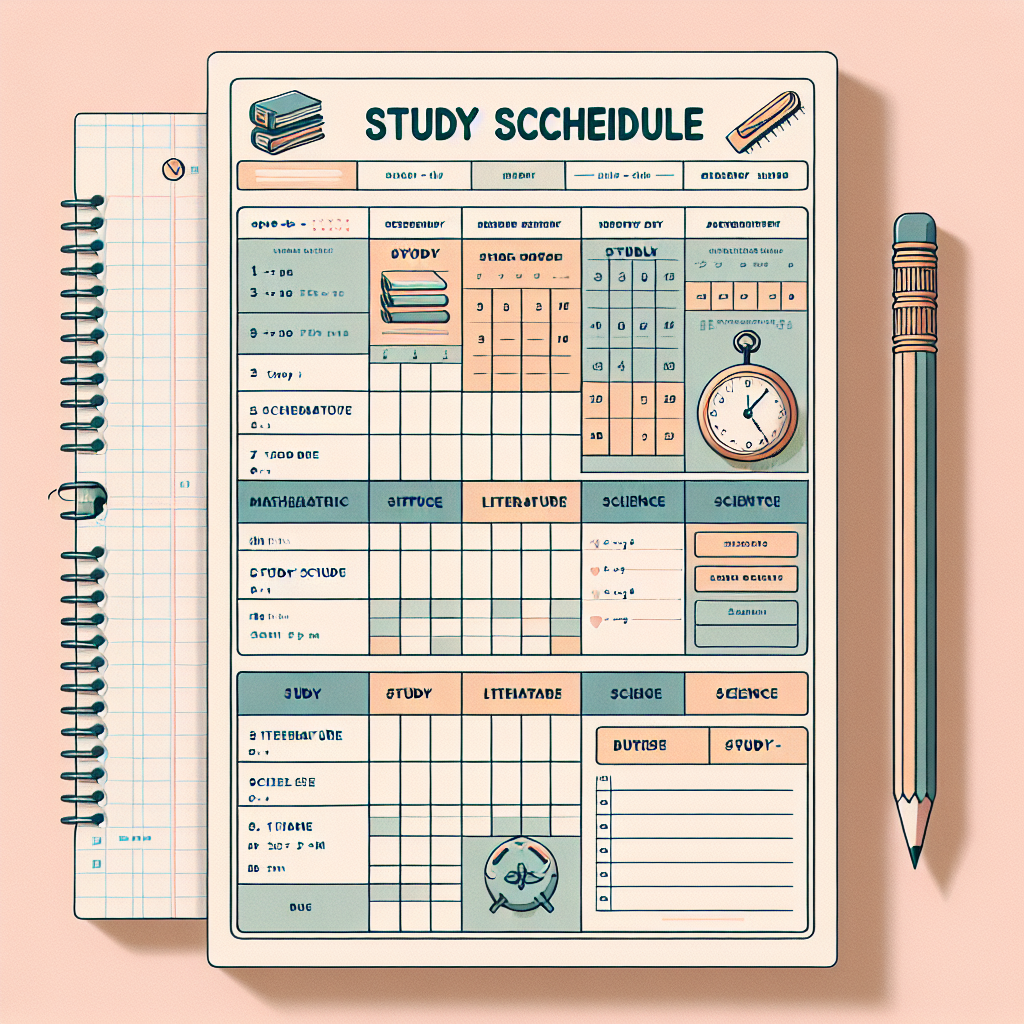
“Balancing Act: How to Create a Study Schedule Around Your Work Schedule”
Balancing work and study can be a challenging task, but with careful planning and organization, it is possible to create a study schedule that fits around your work schedule. By prioritizing your time and setting realistic goals, you can effectively manage both your work and study commitments without feeling overwhelmed. In this article, we will discuss some practical tips on how to create a study schedule that works for you.
First and foremost, it is important to assess your work schedule and identify pockets of time that you can dedicate to studying. This may involve waking up earlier in the morning, studying during your lunch break, or setting aside a few hours in the evening after work. By being proactive and intentional about how you use your time, you can maximize your productivity and make the most of your study sessions.
Additionally, setting specific goals and deadlines for your study sessions can help you stay on track and motivated. Break down your study material into manageable chunks and create a timeline for when you plan to cover each topic. This will not only help you stay organized but also ensure that you are making steady progress towards your academic goals.
Furthermore, it is important to create a conducive study environment that is free from distractions. Find a quiet and comfortable space where you can focus on your studies without interruptions. Turn off your phone, log out of social media, and eliminate any other potential distractions that may hinder your concentration.
Finally, don’t forget to take care of yourself and prioritize self-care. Balancing work and study can be demanding, so it is important to make time for relaxation and rest. Take breaks when needed, get plenty of sleep, and engage in activities that help you unwind and recharge.
In conclusion, creating a study schedule around your work schedule requires careful planning, organization, and prioritization. By being proactive, setting specific goals, creating a conducive study environment, and prioritizing self-care, you can effectively manage both your work and study commitments. With determination and perseverance, you can achieve a healthy balance between your professional and academic pursuits.
“Maximizing Your Time: Tips for Designing a Study Schedule That Fits Your Work Commitments”
Managing a study schedule alongside work commitments can be a challenging task. However, with careful planning and organization, it is possible to maximize your time and achieve success in both areas. Here are some tips for designing a study schedule that fits your work commitments:
- Assess your availability: Start by evaluating your work schedule and identifying pockets of time that can be dedicated to studying. This could include early mornings, evenings, weekends, or lunch breaks.
- Set clear goals: Define your objectives and prioritize your tasks to ensure that you make efficient use of your study time. Break down your goals into smaller, manageable tasks and set deadlines to keep yourself on track.
- Create a routine: Establish a consistent study routine that aligns with your work schedule. This could involve studying at the same time each day or setting aside specific days for focused study sessions.
- Eliminate distractions: Minimize interruptions and distractions during your study time to maximize your productivity. This could involve setting boundaries with colleagues or family members, turning off notifications on your phone, or finding a quiet study space.
- Utilize technology: Take advantage of digital tools and resources to enhance your study experience. Use apps for time management, note-taking, and flashcards to streamline your studying process and stay organized.
- Prioritize self-care: Remember to prioritize self-care and avoid burnout by taking breaks, staying active, and getting enough rest. Balancing work and study commitments can be demanding, so it is important to take care of your physical and mental well-being.
By implementing these tips and strategies, you can design a study schedule that fits seamlessly with your work commitments. With dedication, discipline, and effective time management, you can achieve your academic goals while excelling in your professional endeavors.
“From 9 to 5 to Study Time: Crafting a Study Schedule That Works for Working Professionals”
For many working professionals, finding the time and energy to study outside of work can be a daunting task. Between the demands of a full-time job and personal responsibilities, it can be challenging to carve out dedicated study time. However, with careful planning and organization, it is possible to create a study schedule that works for even the busiest of professionals.
One of the first steps in crafting a successful study schedule is to assess your current commitments and identify pockets of time that can be dedicated to studying. This may involve reevaluating your daily routine and identifying areas where you can cut back on non-essential activities in order to make room for studying. Additionally, it may be helpful to communicate your study goals and schedule with friends and family members, who can provide support and accountability as you work towards your academic goals.
Once you have identified potential study times, it is important to create a study schedule that is realistic and achievable. This may involve breaking down larger study goals into smaller, more manageable tasks, and allocating specific blocks of time for each task. Additionally, it can be helpful to establish a routine and stick to it as much as possible, in order to build consistency and momentum in your study habits.
In addition to creating a study schedule, it is important to establish a conducive study environment that is free from distractions and conducive to learning. This may involve setting up a designated study space in your home or finding a quiet place outside of work where you can focus on your studies. Additionally, it may be helpful to establish a study routine that includes regular breaks and rewards for meeting study goals, in order to maintain motivation and avoid burnout.
In conclusion, crafting a study schedule that works for working professionals requires careful planning, organization, and dedication. By assessing your current commitments, creating a realistic study schedule, and establishing a conducive study environment, you can successfully balance work and study responsibilities and work towards achieving your academic goals. With the right mindset and approach, it is possible to juggle the demands of a full-time job and studying, and make progress towards your professional and academic aspirations.
“Striking the Right Balance: Creating a Study Schedule That Accommodates Your Work Responsibilities”
When it comes to balancing work responsibilities with studying, it can be a challenging task to find the right equilibrium. However, with careful planning and organization, it is possible to create a study schedule that accommodates your work commitments. Here are some tips to help you strike the right balance:
- Assess your workload: Before creating a study schedule, take stock of your work responsibilities and determine how much time you can realistically commit to studying each week. Consider factors such as deadlines, meetings, and any other time-sensitive tasks that may impact your study schedule.
- Set clear goals: Define your academic goals and prioritize the subjects or topics that require the most attention. This will help you focus your study time effectively and ensure that you are making progress towards your objectives.
- Create a flexible schedule: Develop a study schedule that fits around your work commitments, taking into account your peak productivity hours and any other obligations you may have. Be realistic about the amount of time you can dedicate to studying each day and be prepared to adjust your schedule as needed.
- Use time management techniques: Implement time management strategies such as breaking down study sessions into smaller, manageable chunks, setting specific goals for each session, and using tools like timers or study apps to stay on track.
- Prioritize self-care: Remember to prioritize self-care activities such as exercise, relaxation, and socializing, as these can help reduce stress and improve your overall well-being. Make time for these activities in your schedule to ensure a healthy work-study-life balance.
- Seek support: If you are struggling to balance work and study responsibilities, don’t be afraid to reach out for support. Talk to your supervisor or colleagues about your workload, consider seeking assistance from a tutor or academic advisor, or join a study group to share resources and study tips.
By following these tips and strategies, you can create a study schedule that accommodates your work responsibilities and helps you achieve your academic goals. Remember that finding the right balance may take some trial and error, so be patient with yourself and be willing to make adjustments as needed. With determination and perseverance, you can successfully juggle work and study commitments and reach your full potential.
“Time Management Hacks: How to Juggle Work and Study with an Effective Schedule”
Managing your time effectively is essential when balancing work and study commitments. By creating a structured schedule and following these time management hacks, you can maximize productivity and achieve success in both areas of your life.
- Prioritize tasks: Make a list of all your tasks and prioritize them based on their importance and deadlines. Focus on completing high-priority tasks first to ensure you meet your goals and deadlines.
- Create a daily schedule: Break down your day into blocks of time and allocate specific tasks to each block. This will help you stay organized and ensure you make progress on all your responsibilities.
- Use a planner or calendar: Keep track of your assignments, deadlines, work schedules, and other commitments in a planner or digital calendar. This will help you stay on top of your responsibilities and avoid missing important deadlines.
- Set realistic goals: Set achievable goals for each day, week, and month. Breaking down larger tasks into smaller, manageable goals will help you stay motivated and focused on your priorities.
- Eliminate distractions: Identify and eliminate distractions that may hinder your productivity, such as social media, TV, or unnecessary meetings. Create a distraction-free environment to help you concentrate on your work and studies.
- Take breaks: Schedule regular breaks throughout your day to rest and recharge. Taking short breaks can help improve focus, productivity, and overall well-being.
- Delegate tasks: If possible, delegate tasks to others to lighten your workload. This will allow you to focus on more important tasks and make the most of your time.
- Learn to say no: It’s important to set boundaries and learn to say no to additional commitments that may overwhelm you. Prioritize your time and energy on tasks that align with your goals and values.
By implementing these time management hacks and creating an effective schedule, you can successfully juggle work and study commitments while achieving your goals. Remember to be flexible and make adjustments as needed to ensure you maintain a healthy work-life balance.